Have you ever thought about where the wood in your home came from? Much of the lumber for the first houses in our neighborhood came from local forests, harvested during the era of steam logging.
When the first houses started going up in Beaumont-Wilshire, logging equipment had transitioned from animal powered to steam powered. Railroads were used to transport the logs to the region’s rivers for distribution by boat or directly to sawmills.
Portland companies like Willamette Iron and Steel Works and Smith & Watson Iron Works built steam logging equipment and locomotives. B-W residents would have been employed by those companies and at the sawmills along the river that processed the logs.
The steam era was fading as the B-W build-out neared completion; railcars were replaced by trucks and steam by diesel.
100 Years Ago on Larch Mountain
Looking east from B-W, Larch Mountain with its distinctive Sherrard Point stands out on the skyline. (Strangely, larch trees are rare on Larch Mountain, but the noble fir was referred to as larch by loggers in the 19th century). Today the national forest on Larch Mountain is silent, often only disturbed by mushroom hunters who wander the forest floor seeking their motionless prey. One hundred years ago, the sounds of steam engines filled the air. Bridal Veil Lumbering Company began operations in the 19th century using water and animal power, ending with steam.
The company town of Palmer, on the slopes of Larch Mountain, had been established along Bridal Veil Creek. It had a post office, school, and 30 to 35 families living there full time to operate the sawmill.
”Peggy” Worked the Rails, Steam Donkeys Worked the Skid Roads
The mill at Palmer was served by a railroad that delivered logs to the mill pond. A steam locomotive named “Peggy” worked the network of steel rails powered by locally sourced renewable energy: firewood. Logs were rough sawn at Palmer Mill, then sent by flume (think Disneyland’s Splash Mountain) to a sawmill in the Larch Mountain town of Bridal Veil along the Columbia River for finishing, and then on to carpenters who were building houses in B-W.
There were skid roads — roads along which logs were dragged — and steam donkeys. A steam donkey was a winch that dragged logs to the railroad for transportation to the mill. It was powered by burning firewood to boil water, creating steam for locomotion. You can see a display of steam donkeys at Camp 18 on Hwy. 26 east of Seaside. The town of Palmer was abandoned prior to WW2 and burned down by the U.S. Forest Service just after the war. Some bricks, periwinkle, and daffodils are all that remain. The finishing mill at Bridal Veil continued by making wooden cheese boxes for Kraft Foods until 1960.
Pieces of the Past can be Found Today
As loggers moved on, bent rails or other damaged items were left where they were last used. Today, still visible on large stumps in the area, are springboard notches. These were cuts made by loggers above a tree’s base, allowing a logger to work higher up the tree. These stumps speak to a time before chainsaws when trees were cut by hand axe and a long hand saw called a misery whip.
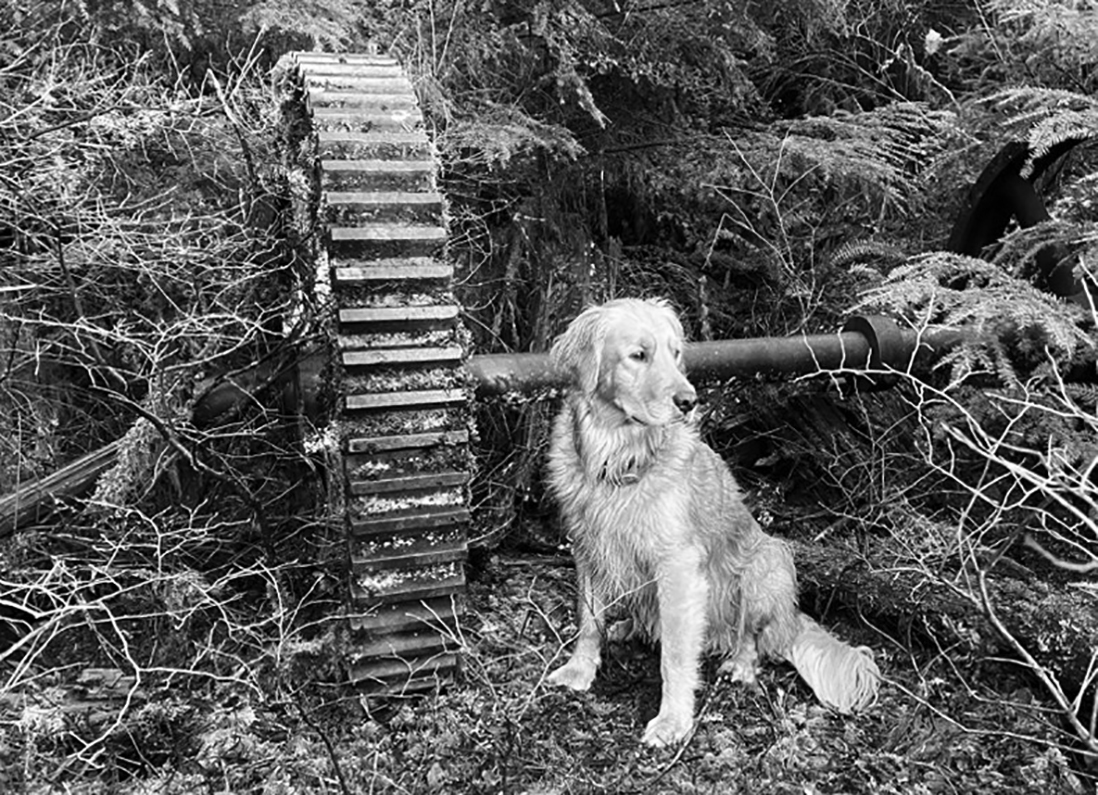
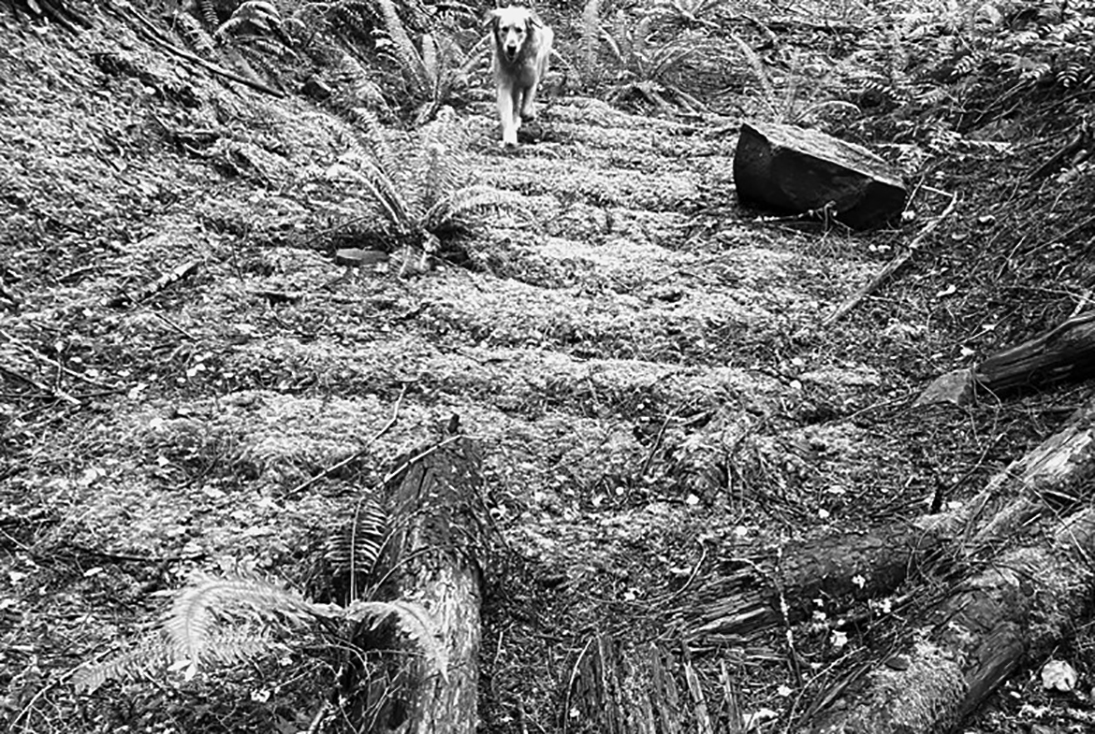
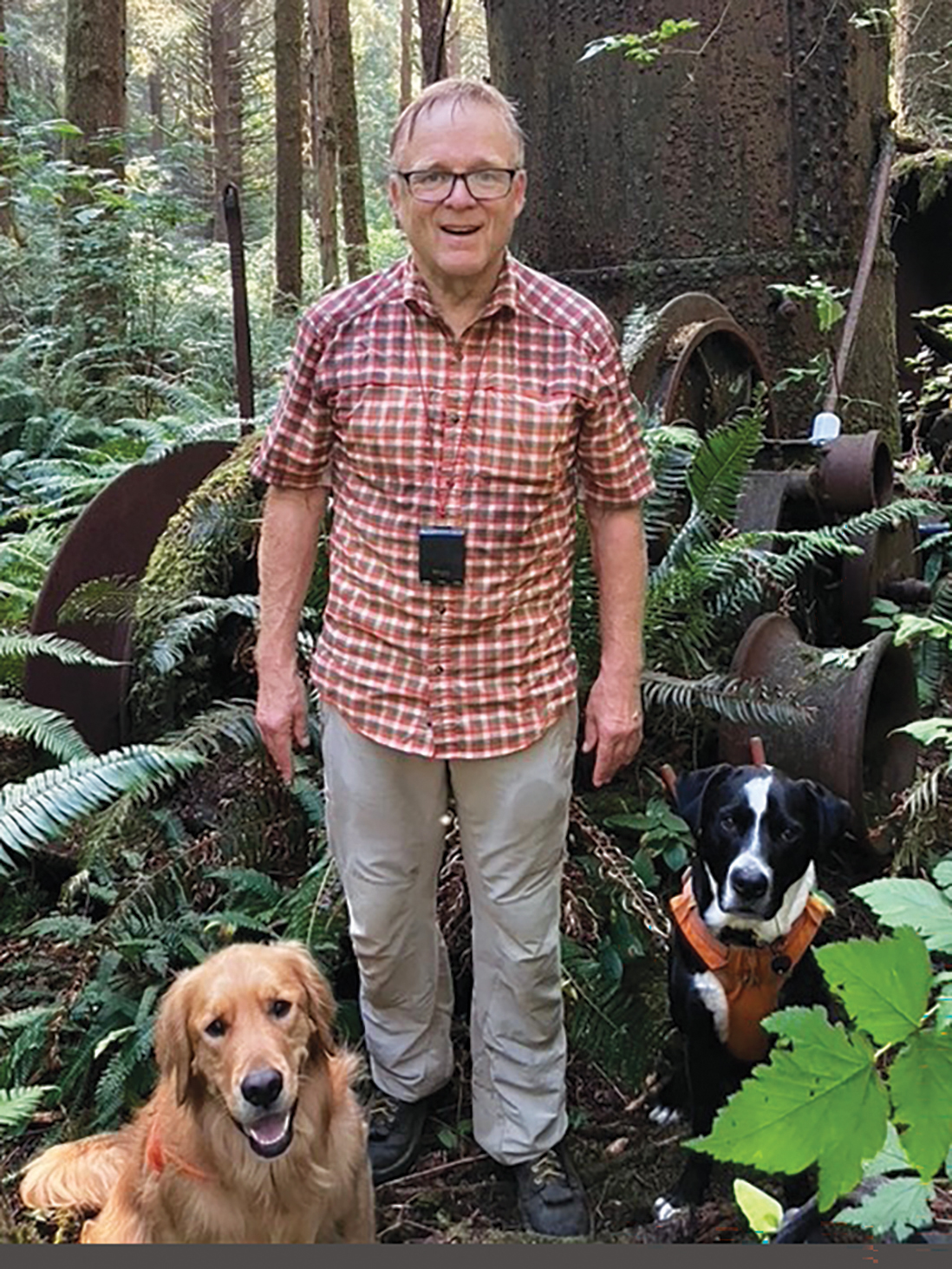
Searching for mushrooms on Larch Mountain, one may encounter pulleys, gears, railroad rails, and other artifacts of industrial activity at these old sites. Many railroad grades are still there; a few are used as hiking trails. A keen eye may see a locomotive brake shoe discarded long ago.
A walk through this forest is a walk through time. You can imagine what an artifact might be, what it was used for, who was here, and what it was like 100 years ago.
If you visit, be sure you have the necessary skills for going off trail, and remember cell phone coverage is often not available in the forest. And from this magical place, please take only photos.
Matthew Carter has lived in Beaumont-Wilshire for 34 years. His family history here runs deep: His parents graduated from Grant High School, as did his children. Now retired, he’s been a BWNA newsletter delivery person for over 30 years!