
The Mystery
“What has happened to the front lawn?” My husband pointed to a patch of grass about 3 feet in diameter. The grass’s roots were upended from the soil; there were small holes throughout at least an inch deep. The lawn looked as though it had been thatched and aerated. I couldn’t explain. A cat fight? A coyote’s tussle with its prey in the middle of the night?
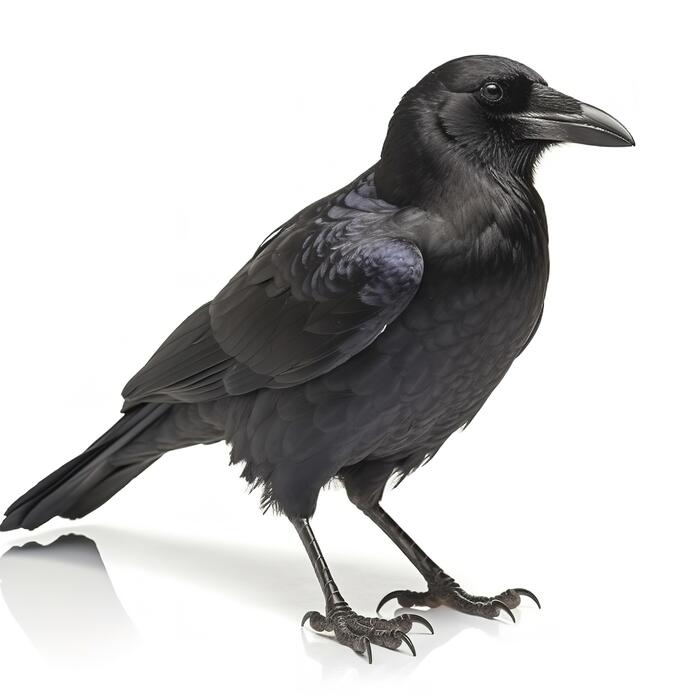
No. It was crows. Not long after, I passed a house where two crows were busily tearing up the grass in the front yard. They were intent and efficient. They plunged their beaks into the turf and flipped the grass over, then pecked about in the soil.
The Reason
According to Google’s AI, crows tear up Portland lawns in the fall and winter searching for tasty grubs, especially the invasive European chafer larvae. Grubs can destroy a lawn by damaging grass roots. The crows flip the de-rooted turf to get to the protein-rich grubs. Crows are a common sight, especially in areas like Northeast Portland. These intelligent birds exploit a rich food source, sometimes causing significant turf damage. However, the crows are actually doing the lawn-owner a favor. They help by eating the grubs that would otherwise destroy the lawn entirely, so it’s a trade-off between a little mess and total turf loss.
Seasonal Behavior
The turf tugging is common in the fall and winter as crows gather in large roosts before spreading out to forage. Northeast Portland provides plentiful feeding grounds. In the spring and summer, the birds’ behavior shifts from gathering in large murders of crows to creating small, territorial family units.
Murder (by the way) is the collective noun for a group of crows. It’s not any more unusual than pride of lions, shrewdness of apes, gaggle of geese, rafter of turkeys, or a parliament of owls, all of which may be products of a medieval trend, seen in texts like “The Book of Saint Albans” (1486), to create colorful, whimsical collective nouns for animals. Scientists refer to a flock of crows, but popular culture and bird enthusiasts use murder because it’s more fun. In folklore tradition, crows were seen as ominous, as linked to death. It was believed that they gathered to judge and punish wrongdoers within their own flocks, sometimes leading to the death of the accused crow.
Spring is when you will hear the loud, relentless cawing of crows as they court for mates, pair, and build nests. Be careful if you walk under a tree that houses nesting crows. The adults may dive-bomb invaders of their space. Conversely, once crows have established their territory, if you are a consistent presence, crows will recognize you and befriend you. Watch for little gifts — a shiny trinket or a gum wrapper left for you on the ground.
Summer is time for family life. Year-old offspring often stay to help feed and protect the new nestlings who loudly beg for food. Once a fledgling leaves the nest, it may be earth-bound for one to two weeks. This is normal! The fledgling hops about, learning to fly, with family nearby feeding and protecting it. Keep pets away, don’t feed it, and if it seems healthy but in danger (like in the street), gently herd it to a safer spot nearby, letting parents find it.
Next winter, the fledged young adult will keep your lawn free of grubs.
Sources
To learn more about crows, consult “Gifts of the Crow” by Dr. John Marzluff and Dr. Kaeli Swift and Marzluff’s and Swift’s articles in journals like Science and Current Biology. These sources highlight crows’ sophisticated abilities, including tool use, memory, “theory of mind,” and cultural transmission, often comparing them to primates in cognitive complexity.
Pamela Plimpton, a B-W resident since 1980, retired as a professor of English in 2020. Her interests include reading, writing, gardening, and singing with a community chorale. She and her husband enjoy playing golf, working out at the NE Community Center, traveling, and grandparenting their granddaughter.